
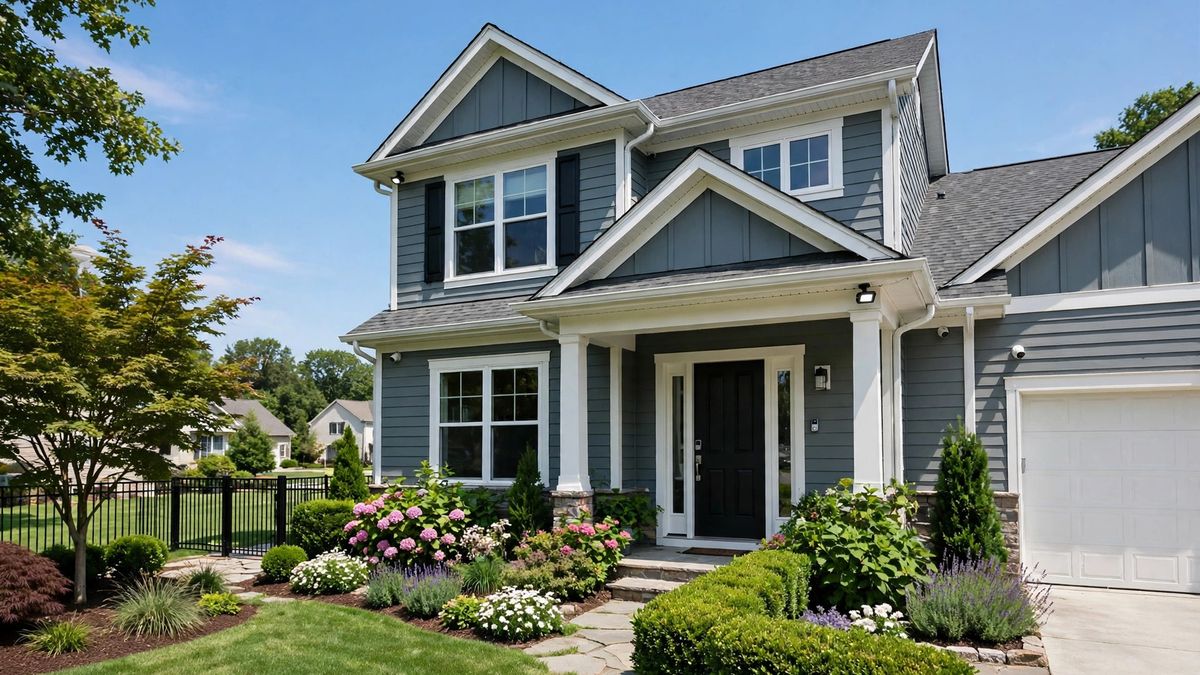
Homeowners Insurance: What It Covers (and What It Doesn’t) (2026)
What does homeowners insurance cover? Most homeowners only discover the answer when they try to make a claim — and by then, it is often too late to fix a gap in cover. The difference between a claim that is paid in full and one that is denied often comes down to a few lines in your policy.
This guide walks through exactly what a typical US homeowners policy (HO-3) covers, what it does not cover, and how to make sure your limits are high enough. It takes five minutes to read and could save you thousands.
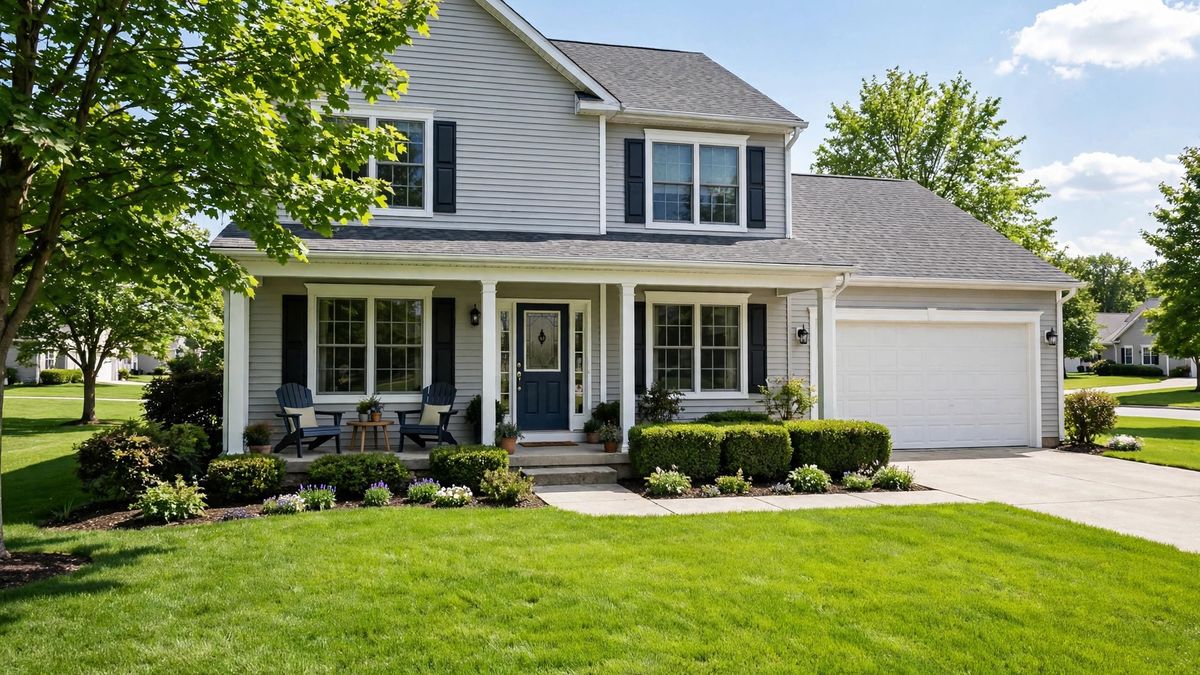
What homeowners insurance covers
So, what does homeowners insurance cover? A standard HO-3 policy has six main parts:
- Dwelling coverage (Coverage A). Pays to repair or rebuild your home if it is damaged by a covered event — fire, wind, hail, or a falling tree.
- Other structures (Coverage B). Covers detached buildings on your property: a garage, shed, fences, and a driveway.
- Personal property (Coverage C). Covers your belongings — furniture, clothes, electronics, appliances — anywhere in the world, up to a limit.
- Loss of use (Coverage D). Pays for a hotel, rent, and extra living costs if your home is uninhabitable while it is repaired.
- Personal liability (Coverage E). Pays if someone is injured on your property or you accidentally damage someone else’s property.
- Medical payments (Coverage F). Pays small medical bills for guests injured on your property, regardless of fault.
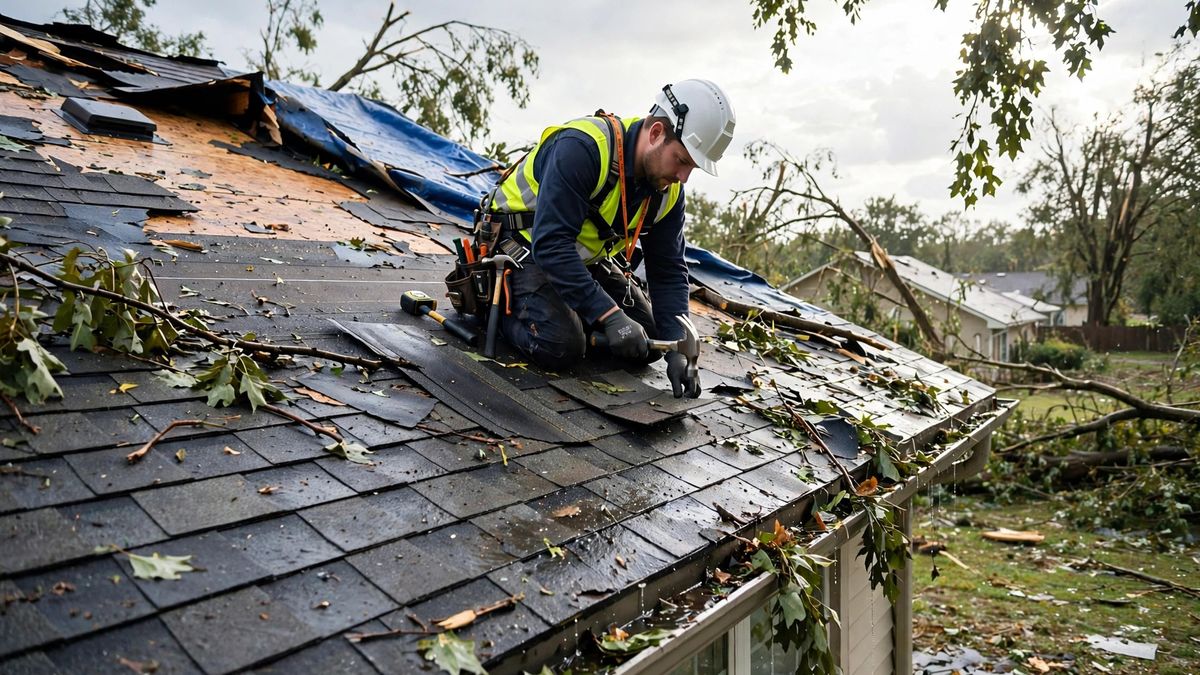
What it does NOT cover (the surprises)
- Floods. Standard policies do not cover flood damage from rising water. You need separate flood insurance — for example, through the National Flood Insurance Program (NFIP) or a private insurer — and there is usually a 30-day waiting period, so do not wait for a storm warning.
- Earthquakes. Not covered by a standard policy in most states. Separate earthquake cover is available, especially important in California, the Pacific Northwest, and parts of the central US.
- Wear and tear and poor maintenance. A leaking roof that has been ignored for years, mould from a long-term leak, or a failing old appliance are not covered. Insurance covers sudden, accidental damage — not gradual decline.
- Sewer backup. Usually excluded unless you add a sewer backup endorsement, which is often cheap.
- High-value items above sub-limits. Cash, jewellery, firearms, and collectibles have low sub-limits (often $1,000–$2,500). If you own expensive items, schedule them separately.
- Home business equipment. A standard policy covers only a small amount of business property at home. If you run a business from home, you need additional cover.
- Damage from war, nuclear events, and intentional acts. Excluded in every standard policy.
How much cover do you need?
- Rebuild cost, not market value. Your dwelling limit should match the cost of rebuilding with current labour and materials. Get a rebuild estimate every few years — construction costs have risen sharply.
- Replacement cost vs actual cash value. Replacement cost pays what it costs to buy a new equivalent item. Actual cash value subtracts depreciation — a 10-year-old TV is worth very little. Replacement cost cover costs more but pays far more at claim time.
- Liability: consider an umbrella policy. If your assets are worth more than your liability limit, a $1 million umbrella policy is often surprisingly cheap and protects your savings and future income.
5 ways to lower your premium without losing cover
- Raise your deductible. Moving from $500 to $1,000 or $2,500 can cut your premium noticeably — if you can afford the higher amount at claim time.
- Bundle home and auto insurance. Most insurers offer a discount for bundling.
- Improve home security and safety. Smoke detectors, burglar alarms, deadbolts, and a monitored security system can all earn discounts.
- Ask about claims-free and loyalty discounts. A clean claims history often earns a discount after a few years.
- Review your policy yearly. Remove cover for items you no longer own, update the rebuild cost, and re-quote every 2–3 years — loyalty rarely pays in insurance.
What to check on your policy today
Open your declarations page and check three numbers: your dwelling limit (is it close to today’s rebuild cost?), your deductible (could you afford it tomorrow?), and your liability limit (is it at least $300,000?). If any of these is wrong, call your insurer before the next storm season — not after.
Landlords need a different policy: rental property insurance covers tenant-occupied homes, where a standard homeowners policy usually does not apply.

Frequently asked questions
Does homeowners insurance cover a new roof?
It covers roof damage from a sudden event (storm, falling tree, fire) but not replacement due to age or wear. Insurers also pay less for older roofs — some switch to actual cash value after 15–20 years.
Does homeowners insurance cover water damage?
Sudden water damage (a burst pipe) is usually covered. Gradual leaks, flooding, and sewer backup are usually not covered without extra endorsements.
How much homeowners insurance do I need?
At minimum, enough dwelling cover to rebuild your home at today’s construction costs, plus personal property cover for your belongings and at least $300,000 of liability. Your mortgage lender will also set a minimum.