
“Full coverage” sounds like it covers everything. In reality, what does full coverage car insurance cover? It is not a single policy at all — it is a combination of three coverages: liability, collision, and comprehensive. Together they protect you against the most common and expensive car risks, but there are still important gaps.
In this guide, we break down each part of full coverage, what it does not cover, what it costs in 2026, and when it makes sense to keep it — or drop it.
If you are new to driving, our guide to car insurance for new drivers explains the basics. If you are starting from scratch, see our guide to getting auto insurance.
What does full coverage car insurance cover: the three parts
First, liability coverage. This is the part every state requires (except New Hampshire, which has different rules). Liability pays for injuries and property damage you cause to other people in an accident — their medical bills, their car repairs, and legal costs if you are sued. It does not pay for your own injuries or your own car.
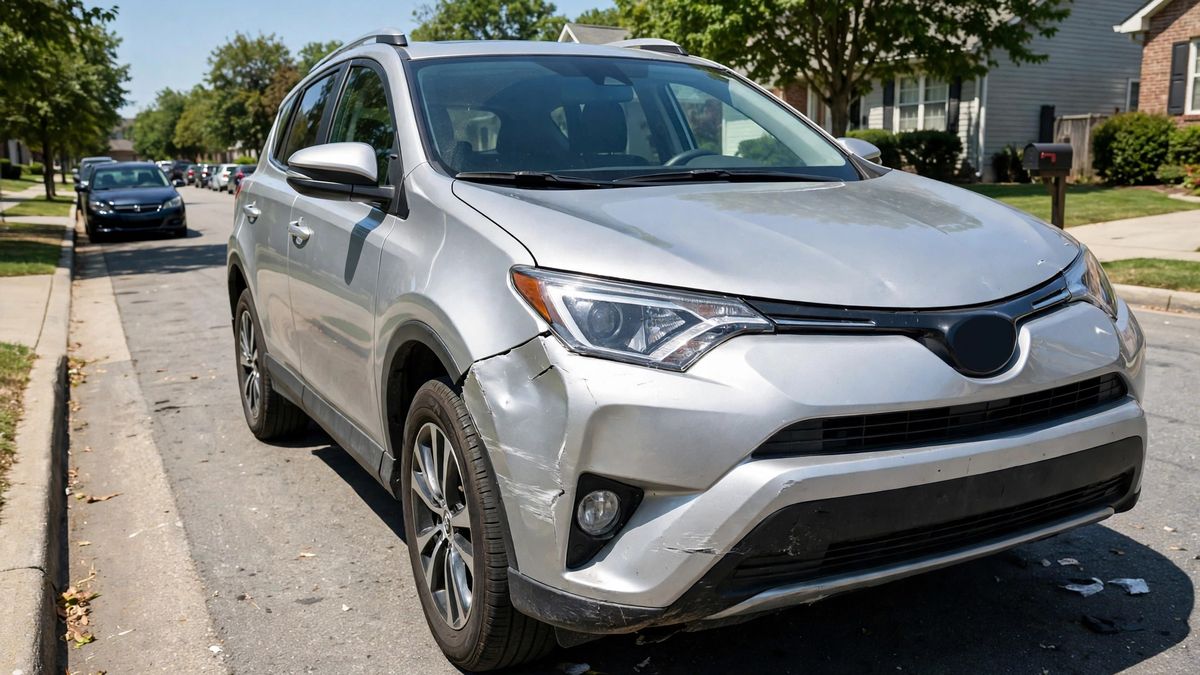
Second, collision coverage. This pays to repair or replace your own car after a crash, whether you hit another vehicle, a tree, or a guardrail. You pay a deductible first — typically $500 or $1,000 — and the insurer pays the rest up to the car’s actual cash value.
Third, comprehensive coverage. Despite the name, this covers non-crash damage: theft, vandalism, fire, hail, floods, falling trees, and hitting an animal. If a storm drops a branch on your car overnight, comprehensive is the coverage that pays.
Together, these three parts are what insurers and lenders mean by “full coverage.” In addition, many full coverage policies include uninsured/underinsured motorist cover, which protects you if the other driver has no insurance or too little of it.
The Insurance Information Institute explains what a basic auto insurance policy covers.
Common add-ons worth knowing
Full coverage is a foundation, not a finished policy. Personal injury protection (PIP) or medical payments cover your own medical bills after an accident, whatever the fault. Rental reimbursement pays for a hire car while yours is being repaired. Roadside assistance covers towing and jump-starts.
Gap insurance is worth considering if you owe more on your car loan than the car is worth. After a total loss, your insurer pays the car’s actual cash value — gap insurance covers the difference you still owe the lender. For a new car that loses value quickly, this gap can be thousands of dollars.
The National Association of Insurance Commissioners publishes consumer guidance on auto insurance.

What full coverage does NOT cover
This is where many drivers get a nasty surprise. Full coverage does not cover mechanical breakdowns or wear and tear — a failing transmission or worn brakes are your cost, not the insurer’s. It does not cover personal belongings stolen from your car; those usually fall under home or renters insurance.
It also does not cover damage while using your car for business, such as delivery driving or ridesharing, unless you add a rideshare endorsement. And it does not cover a driver you excluded from your policy, or intentional damage. Finally, full coverage pays actual cash value — what your car is worth now — not what you paid for it or what a new one costs.
What does full coverage cost in 2026?
Full coverage costs roughly twice as much as liability-only cover. Nationally, the average full coverage policy runs around $2,000 to $2,500 a year, compared with roughly $700 to $900 for minimum liability. However, your price depends heavily on your state, your car, your age, your driving record, and your credit score in states that allow its use.
For example, drivers in Michigan, Florida, and Louisiana pay among the highest rates in the country, while drivers in Vermont, Idaho, and Maine pay among the lowest. Young drivers pay far more than experienced ones, and a single speeding ticket can raise your premium for three years.
For more ways to lower your premiums, compare quotes from at least three insurers every year.
When should you drop full coverage?
What does full coverage car insurance cover? Liability, collision and comprehensive. Full coverage makes sense while your car is valuable, financed, or leased — lenders almost always require it. As your car ages, however, the maths changes. A common rule of thumb: if your annual collision and comprehensive premiums are more than 10 percent of your car’s value, consider dropping them and keeping liability only.
For example, if your car is worth $3,000 and collision plus comprehensive costs $400 a year, you are paying 13 percent of the car’s value every year to protect it — and the most the insurer will ever pay is $3,000 minus your deductible. At that point, putting the premium into a repair fund often makes more sense. On the other hand, if you could not afford to replace the car out of pocket, keep the cover.
Frequently asked questions
Is full coverage car insurance required by law?
No. No state requires full coverage. States require liability cover (at minimum levels that vary by state). However, if you have a car loan or lease, your lender will almost always require full coverage until the loan is paid off.
Does full coverage cover hitting a deer?
Yes — animal strikes are covered by the comprehensive part of full coverage, not collision. You pay your comprehensive deductible, and the insurer pays the repair cost above it.
Does full coverage include roadside assistance?
Not automatically. Roadside assistance is usually an optional add-on costing a few dollars a month. Some insurers bundle it into their full coverage packages, so check your policy or ask your agent.
How can I lower the cost of full coverage?
Raise your deductible, claim every discount (safe driver, bundling, telematics, good student), choose a car that is cheap to insure, and compare quotes from at least three insurers every year. Even a small improvement in your credit score can lower your rate in states that allow credit-based pricing.