

Car Insurance for New Drivers in the USA (2026 Costs & Tips)
Getting car insurance for new drivers in the USA is expensive — there is no way around that fact. Insurers charge new drivers more because statistics show they claim more often. But “expensive” does not mean “uncontrollable.” The difference between the cheapest and the most expensive quote for the same new driver can be hundreds of dollars a month, and the choices you make in your first year set the price you pay for years.
This guide explains what new drivers actually pay, what pushes the price up or down, and nine practical ways to cut the cost without cutting important cover.
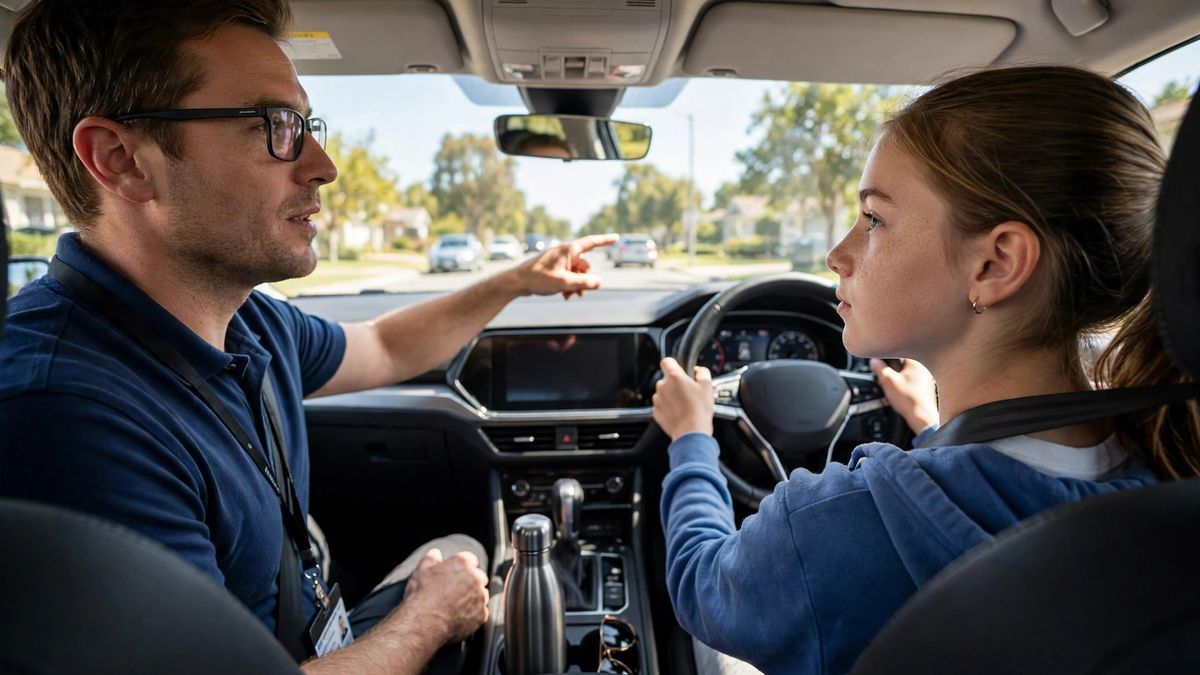
Why car insurance for new drivers costs more
Insurers price risk. A driver with no history is an unknown risk, and the data says that drivers in their first year are far more likely to have an accident than drivers with five or ten years of clean driving. Age matters too: teen drivers pay the most, while a new driver in their late 20s or 30s usually pays less than a 16-year-old, even with the same zero experience. For example, the National Highway Traffic Safety Administration (NHTSA) notes that teen drivers have a higher rate of fatal crashes than older drivers, which is one reason insurers price new drivers higher.
Your premium also depends on where you live (city drivers pay more than rural drivers), the car you drive (a powerful or expensive car costs more to insure), and how much you drive each year.
What car insurance for new drivers typically costs
Costs vary widely by state, age, and car, but as a rough guide, a new teen driver added to a parent’s policy often adds $150–$300 per month for full cover, while a standalone policy for a young new driver can cost far more. An older new driver with a clean record and a modest car can pay much less. These are broad ranges — your own quote is the only number that matters, which is why comparing quotes is the single most valuable step in this guide.
The cover a new driver actually needs
- Liability cover (required in almost every state). Pays for damage and injuries you cause to others. State minimums are low — often $25,000 per person — and a serious accident can cost far more. Most advisers suggest at least $100,000 per person if you can afford it.
- Collision cover. Pays to repair your own car after an accident you cause. Usually required if you have a car loan.
- Comprehensive cover. Pays for theft, fire, vandalism, storms, and hitting an animal.
- Uninsured/underinsured motorist cover. Protects you if the other driver has no insurance or too little. Cheap and worth having.
- Personal injury protection (PIP) or medical payments. Covers medical bills for you and your passengers, required in some no-fault states.
If you drive an older car that is worth little, dropping collision and comprehensive can save a lot — but only if you could afford to replace the car yourself.
9 ways new drivers can cut the cost
- Compare at least 3–5 quotes. Insurers price the same driver very differently. Use a quoting tool and compare like-for-like cover.
- Join a parent’s policy. For teen drivers, being added to a parent’s policy is almost always cheaper than a standalone policy.
- Choose the right car. A safe, modest, common car (good crash-test ratings, cheap parts) costs far less to insure than a sports car or a luxury SUV.
- Take a defensive driving course. Many insurers give a discount for an approved course, and it makes you a safer driver.
- Ask about the good student discount. Full-time students with a B average or better can often save 10–25% with many insurers.
- Raise your deductible. Moving from a $250 to a $1,000 deductible lowers your monthly premium — but only if you can afford the $1,000 if you claim.
- Drive less, pay less. Low-mileage and usage-based (telematics) policies reward drivers who drive fewer miles or drive safely. A small device or phone app tracks your driving.
- Bundle policies. Insuring your car with the same company as renters or home insurance usually earns a discount.
- Keep your record clean. One speeding ticket or at-fault accident can raise a new driver’s premium for three years. The cheapest insurance is careful driving.
New driver mistakes that cost money
- Buying state minimum liability only. It looks cheap until an accident costs more than the limit — then you pay the rest yourself.
- Not telling the insurer about a teen driver. If your teenager drives your car and is not listed, a claim can be denied.
- Letting cover lapse. Even a short gap in insurance makes your next policy more expensive. Never let a policy cancel for non-payment.
- Choosing a car before checking insurance. Always get an insurance quote for a car before you buy it.
What to do this week
Get quotes from at least three insurers for the same cover level, ask each one directly about new-driver, good-student, and defensive-driving discounts, and read our step-by-step guide to getting auto insurance before you buy. The hour you spend comparing can save you hundreds of dollars a year.

Frequently asked questions
What is the cheapest car insurance for new drivers?
There is no single cheapest insurer — it depends on your state, age, and car. The cheapest route for most teens is joining a parent’s policy; for adults, it is comparing quotes and using telematics or low-mileage discounts.
How long is someone considered a new driver?
Most insurers treat the first 3 years as the high-risk period. Premiums usually fall after 1 year of clean driving, and fall again at 3 and 5 years.
Can a new driver get full coverage?
Yes. Full coverage (liability + collision + comprehensive) is available to new drivers and is usually required if the car is financed or leased.