

Insurance is one of the biggest fixed costs in most household budgets — and one of the easiest to cut. Most people overpay simply because they renew without shopping around, miss discounts they qualify for, or carry cover they no longer need.
This guide lists 15 proven ways to lower your auto, home, and health insurance premiums without leaving yourself exposed.

1. Shop around every year
The single biggest saving comes from comparing quotes. Insurers price the same driver, home, or health profile very differently — quotes for identical cover can differ by hundreds of dollars a year. Get at least three quotes at every renewal, and do not assume your current insurer is competitive just because it was last year. If you are wondering why is insurance so expensive, the main drivers are higher repair costs, climate losses and rising medical bills. The National Association of Insurance Commissioners offers a free tool for comparing insurers and checking complaint records.
2. Bundle your policies
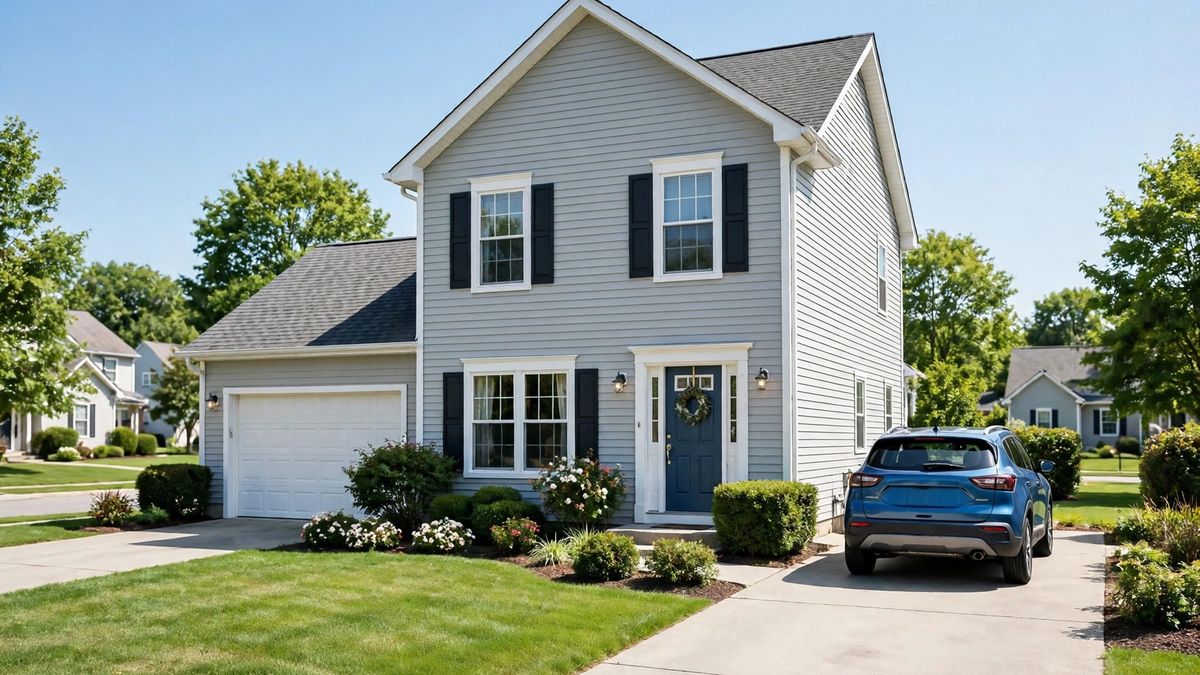
Buying home and auto insurance from the same company typically saves 10–25%. Add umbrella or life insurance to the bundle for further discounts.
3. Raise your deductible
A higher deductible means a lower premium. Moving your auto deductible from $250 to $1,000 can cut collision and comprehensive premiums by 15–30%. Only do this if you can comfortably pay the deductible from savings.
4. Ask about every discount
Insurers offer more discounts than most customers claim. Ask about: good driver, good student, defensive driving course, multi-car, paperless billing, autopay, loyalty, military, professional association, home security system, new roof, and safety features (airbags, anti-lock brakes, anti-theft devices). The Insurance Information Institute notes that discounts are one of the most underused ways to cut premiums.
5. Improve your credit score
In most states, insurers use credit-based insurance scores to set auto and home premiums. Improving your credit — paying bills on time, reducing balances — can lower your premium at the next renewal. (California, Hawaii, Massachusetts, and Michigan restrict or ban this practice.)
6. Maintain continuous coverage
A gap in coverage signals higher risk and raises your premium. Keep your policies active, even when switching insurers — overlap the dates by a day rather than leaving a gap.
7. Drop cover you no longer need
Collision and comprehensive cover on a car worth less than $3,000–$4,000 often costs more than it is worth — the payout after the deductible is small. Similarly, review your home’s contents cover and any scheduled items you no longer own.
8. Consider a high-deductible health plan + HSA
If you are healthy and have savings, an HDHP with lower premiums plus a Health Savings Account can save money overall. Our guide to HSA contribution limits 2026 explains the tax advantages.
9. Use telematics / pay-per-mile
If you drive little, usage-based insurance (telematics) or pay-per-mile policies can cut auto premiums significantly. Safe driving scores can earn further discounts.
10. Pay annually, not monthly
Monthly payment plans often include instalment fees. Paying the annual premium in one go avoids them.
11. Review your home’s rebuild value
Your home’s market value and its rebuild cost are different numbers. Insuring for market value in an area where land is expensive means overpaying. Insure for the cost to rebuild, not the sale price.
12. Install safety and security equipment
Burglar alarms, smoke detectors, fire extinguishers, deadbolts, and impact-resistant roofing all earn homeowners discounts. Anti-theft devices and dashcams can help on auto policies.
13. Check your health insurance subsidies
If you buy health insurance on the marketplace, premium tax credits can cut your monthly cost dramatically. See our guide to health insurance subsidies to check whether you qualify.
14. Take a defensive driving course
Many insurers offer a discount (often 5–10%) for completing an approved defensive driving course — and it stays on your record for several years.

15. Review your policies every year
Life changes — a child leaves home, you work from home now, you paid off the car loan. Each change can affect your premium. A 30-minute annual review catches savings that auto-renewal misses.
Frequently asked questions
What is the fastest way to lower my insurance premiums?
Shop around. Comparing three or more quotes at renewal is the single biggest saving for most people, often worth hundreds of dollars a year.
Does raising my deductible really save money?
Yes — moving from a $250 to a $1,000 deductible can cut collision and comprehensive premiums by 15–30%. Only do it if you can pay the deductible from savings.
Does bundling home and auto insurance save money?
Typically 10–25%. It is one of the easiest discounts to get, and it simplifies dealing with a single insurer.