
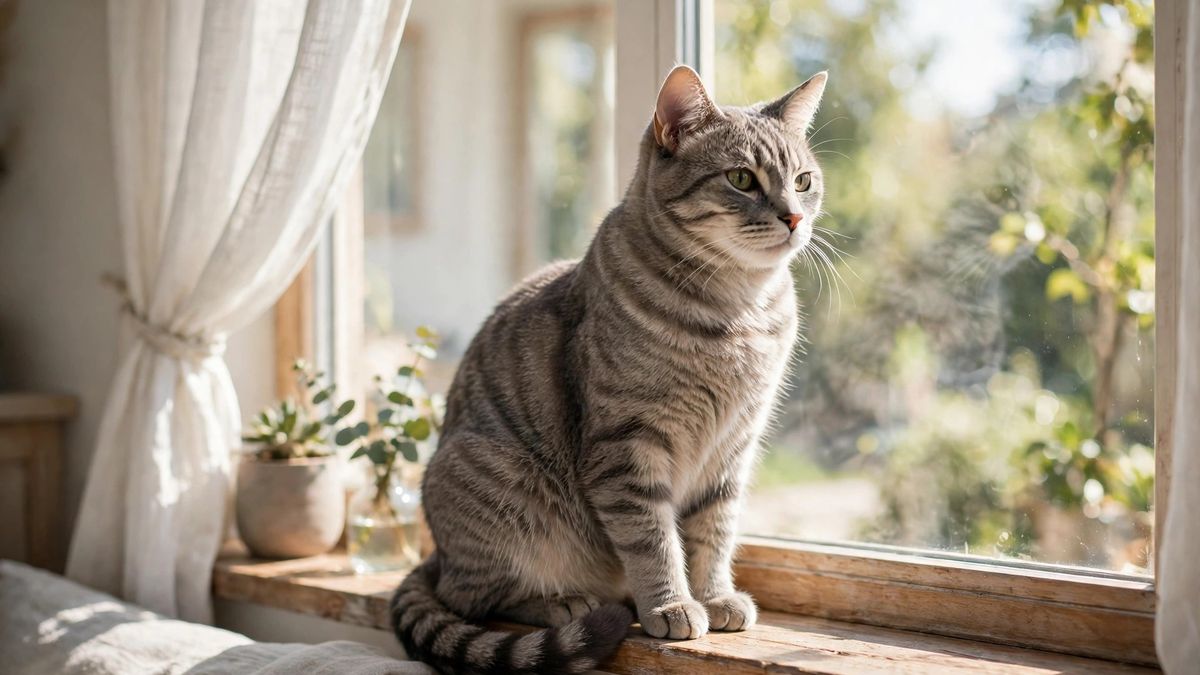
Cat owners often assume insurance is a dog thing. Cats are smaller, cheaper to feed, and — especially indoor cats — seem less likely to end up in an emergency. But cats get seriously ill too, and the vet bills are larger than most owners expect. A urinary blockage can cost $1,500–$3,000. Kidney disease management runs into thousands over a cat’s life. Cancer treatment can exceed $5,000.
This guide looks at what pet insurance for cats costs, what it covers, and when it is worth buying. If you are new to the topic, our guide to what is pet insurance explains the basics.
What does cat insurance cost?
Most cat owners pay about $25–$40 a month for accident-and-illness cover in 2026 — roughly half the price of dog insurance, because cats’ vet bills are typically lower and they live longer with fewer expensive emergencies. Accident-only plans for cats run about $10–$20 a month. Kittens are cheapest to insure; premiums rise with age, and senior cats (10+) cost the most. Our guide to pet insurance costs breaks down the prices in detail.
What it covers
A good accident-and-illness plan for cats covers emergencies, surgery, hospitalisation, diagnostic tests (bloodwork, X-rays, ultrasounds), prescription medicines, and treatment for illnesses including kidney disease, hyperthyroidism, diabetes, urinary conditions, and cancer. Most plans also cover hereditary and congenital conditions if they are not pre-existing.
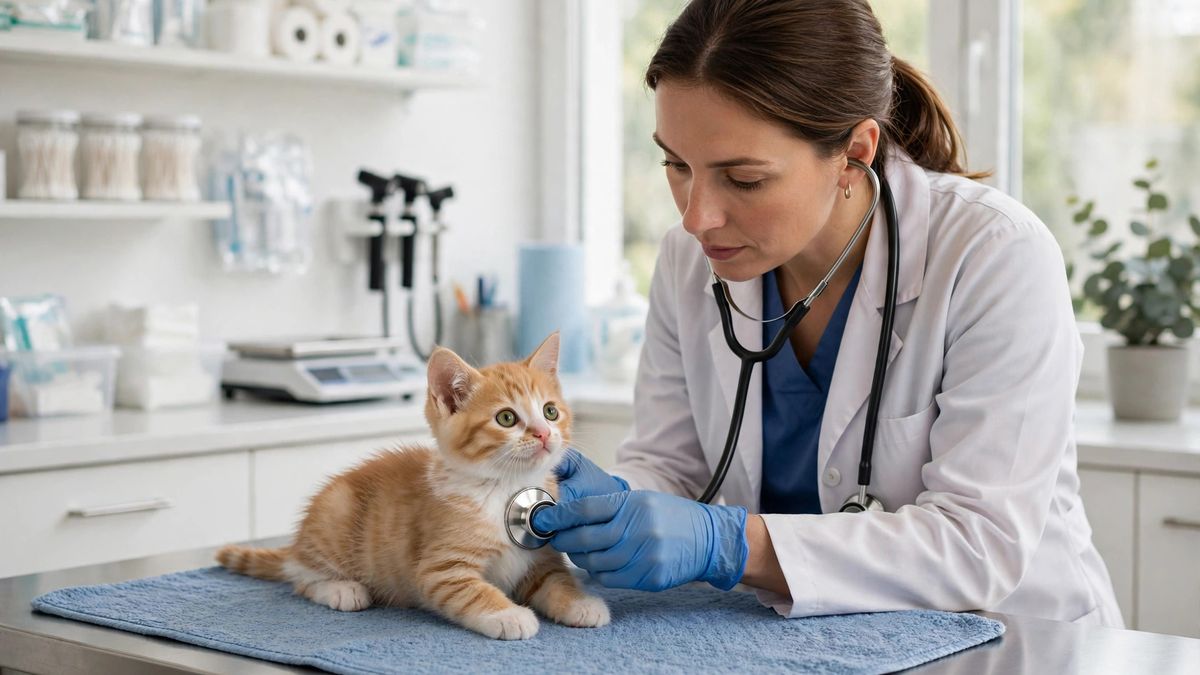
What it does not cover: pre-existing conditions, routine wellness care (check-ups, vaccinations, flea and worm treatment), dental cleaning, and breeding costs. Wellness add-ons are available from many insurers for routine care.
Indoor cats: do they need insurance?
Yes — arguably more than people think. Indoor cats avoid traffic and fights, but the most expensive cat conditions are illnesses, not accidents: chronic kidney disease affects roughly 1 in 3 senior cats, hyperthyroidism is common in older cats, and urinary blockages — a life-threatening emergency — can strike any male cat, indoor or outdoor. Indoor cats also live longer, which means more years when age-related illness can appear. The Cornell Feline Health Center notes that kidney disease and hyperthyroidism are among the most common conditions in ageing cats.
Outdoor cats: higher risk, clearer case
Outdoor cats face everything indoor cats face, plus traffic injuries, fights, abscesses, parasites, and infectious diseases such as feline leukaemia virus (FeLV) and feline immunodeficiency virus (FIV). Their premiums may be slightly higher, but the case for cover is stronger — one hit-by-car emergency can cost $3,000–$8,000.

When cat insurance pays for itself
A cat insured at $30 a month costs $360 a year. A single urinary blockage ($1,500–$3,000) pays for 4–8 years of premiums. A foreign-body surgery ($1,500–$4,000) does the same. Even chronic conditions add up: kidney disease management, with regular bloodwork, fluids, and medication, can cost $1,000–$3,000 a year for years. Insurance does not make vet care free — you still pay the deductible and your share (usually 10–30%) — but it turns a $3,000 shock into a few hundred dollars.
When it might not be worth it
- Your cat is young, healthy, and you have a solid emergency fund (at least $3,000–$5,000 set aside for vet bills).
- Your cat already has a serious chronic condition that would be excluded — the remaining cover may not justify the premium.
- You are comfortable self-insuring: putting $30–$50 a month into a dedicated savings account instead. This works if you start early and the big bill does not come in the first year or two.
How to choose a plan for your cat
- Check the annual limit. A $5,000 limit is thin for cancer or major surgery — $10,000 or unlimited is safer.
- Look at the deductible. $250–$500 is the sweet spot for most owners.
- Confirm hereditary conditions are covered — important for purebred cats (Persians and kidney disease, Maine Coons and heart disease).
- Check the waiting periods: accidents within days, illness usually 14 days.
- Ask about direct vet payment — it matters when a bill is several thousand dollars.
The American Veterinary Medical Association also provides information on cat health and veterinary care.
Frequently asked questions
Is pet insurance worth it for an indoor cat?
Often yes. The most expensive cat conditions — kidney disease, urinary blockages, cancer — affect indoor cats too, and a single emergency can cost several thousand dollars.
How much is cat insurance per month?
Most owners pay about $25–$40 a month for accident-and-illness cover in 2026, depending on the cat’s age, breed, location, deductible, and reimbursement rate.
Does cat insurance cover pre-existing conditions?
No — conditions present before the policy starts are excluded, although some insurers reconsider curable conditions after a symptom-free period. See our guide to pre-existing conditions for the details.