
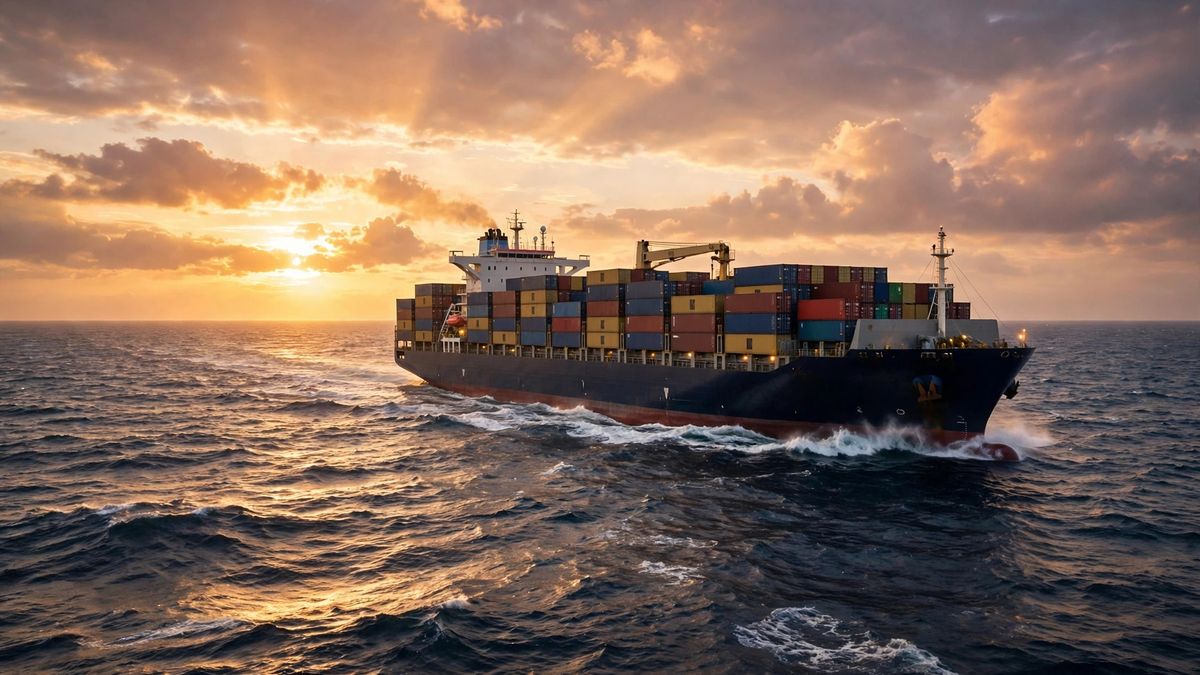
Marine insurance is one of the oldest forms of insurance in the world — merchants in ancient Greece and Rome shared the risk of lost cargo centuries before modern insurance existed. Today it covers everything from container ships and their cargo to the yacht in your local marina.
This guide explains what marine insurance covers, the different types, who needs it, and how it differs from ordinary boat insurance.
What is marine insurance?
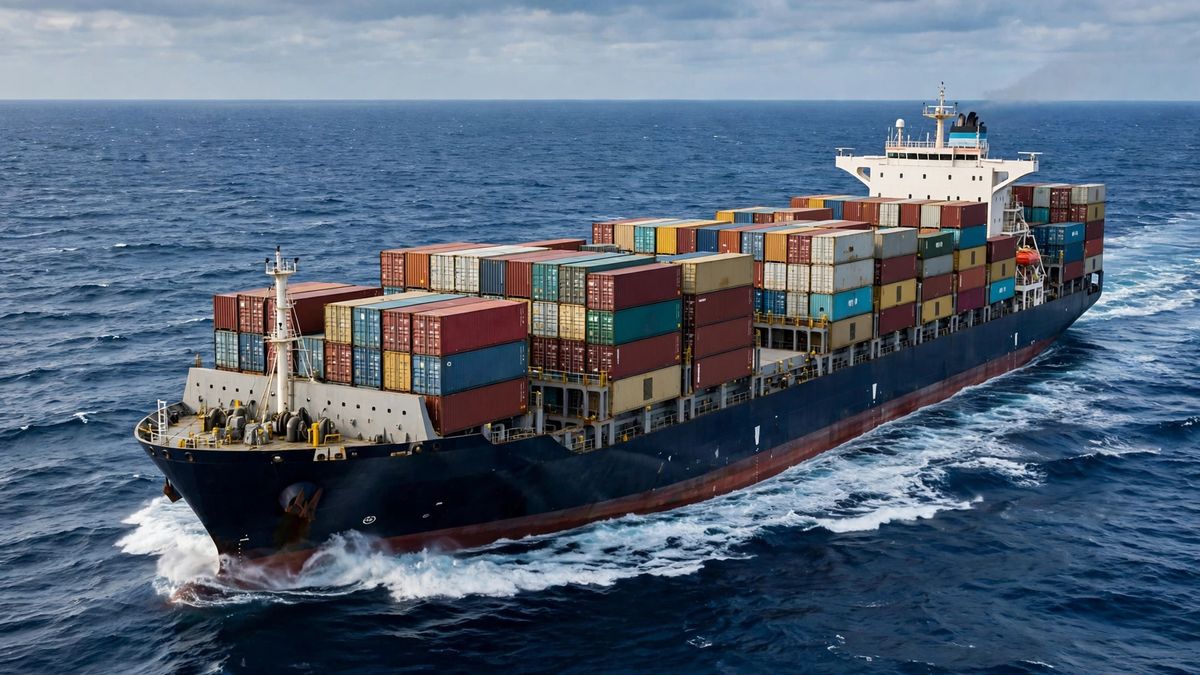
Marine insurance protects against loss or damage to ships, cargo, terminals, and any transport by which goods move over water — and, through “inland marine” cover, over land too. It covers the vessel itself, the goods it carries, and the liability that comes with operating on the water.
The basic principle is the same as any insurance: the insurer takes on the financial risk of something going wrong — a storm, a collision, a fire, a theft, or a grounding — in exchange for a premium.
The main types of marine insurance
Hull insurance. Covers physical damage to the vessel itself — the hull, machinery, and equipment. For a commercial ship this is a major policy; for a private yacht, hull cover is the core of the boat insurance policy.
Cargo insurance. Covers goods in transit by sea, air, or land. A business shipping products overseas buys cargo cover so that a container lost overboard or damaged by seawater does not wipe out the shipment’s value. Cargo policies can cover a single shipment or all shipments over a year under an “open cargo” policy.

Liability insurance (Protection & Indemnity). Covers claims against the shipowner — injury to crew or passengers, damage to other vessels or property, pollution, and wreck removal. Large vessels usually carry P&I cover through specialist mutual clubs.
Freight insurance. Covers the loss of freight income if cargo is lost or damaged and the freight charges are not paid.
Inland marine insurance. Despite the name, this covers goods and equipment on land: goods in transit by truck or rail, construction equipment, exhibition goods, and fine art. If your business moves valuable goods or equipment between sites, inland marine cover is often the right policy. Our guide to small business insurance costs covers the wider picture of protecting a business.
Marine insurance vs boat insurance
The terms overlap, but there is a useful distinction. “Marine insurance” usually means commercial cover — ships, cargo, terminals, and marine businesses. “Boat insurance” usually means personal cover for recreational boats: your fishing boat, sailboat, or yacht. A yacht policy is technically a marine policy, but in everyday language people say boat insurance. If you own a recreational boat, see our guide to boat insurance cost. If you ride a personal watercraft, our guide to jet ski insurance explains the cover you need.
What does marine insurance cover?
A typical marine policy covers loss or damage caused by:
- Perils of the sea: storms, waves, sinking, stranding, and collision
- Fire and explosion
- Theft and piracy
- Jettison (cargo thrown overboard to save the ship) and general average (shared losses when cargo is sacrificed for the common safety)
- Barratry (wrongful acts by the crew)
Common exclusions include ordinary wear and tear, wilful misconduct by the insured, war risks (usually covered by a separate war-risk policy), and losses from unseaworthy vessels.
Who needs marine insurance?
- Shipping companies and vessel owners — hull and liability cover is essential, and often legally or contractually required.
- Importers and exporters — cargo cover protects the value of goods in transit. Without it, a lost container means a total loss.
- Freight forwarders and logistics companies — for goods in their care.
- Marina and boatyard operators — for vessels stored or repaired on site.
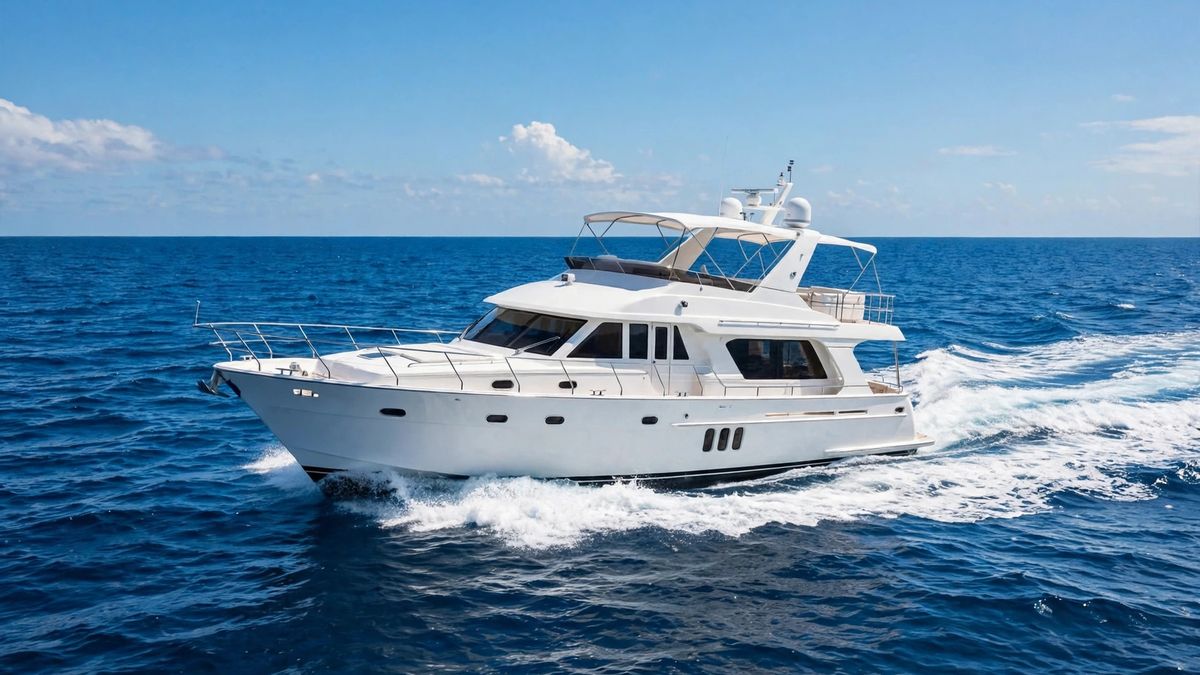
- Yacht owners — hull and liability cover for the vessel.
- Businesses moving valuable equipment — inland marine cover for goods in transit.
What does marine insurance cost?
There is no single price — it depends on what is being insured. Cargo insurance is often priced as a small percentage of the shipment’s value (commonly 0.1–0.5% for standard goods). Hull insurance for commercial vessels is priced on the vessel’s value, age, type, trading area, and claims history. Yacht insurance typically costs 1–2% of the boat’s value per year.
How to buy marine insurance
- Identify what needs cover: the vessel, the cargo, the liability, or all three.
- Work with a marine specialist broker — this is a technical market and a general insurer may not offer the right cover.
- Check the trading limits: where the vessel operates affects the premium and the cover.
- Read the exclusions: war risks, wear and tear, and unseaworthiness are the ones that surprise people.
- Review the policy annually — vessel values, trading routes, and cargo types change.
For consumer guidance on insurance, the National Association of Insurance Commissioners publishes plain-language resources, and the U.S. Coast Guard Boating Safety site covers safe operation on the water.
Frequently asked questions
What is the difference between marine insurance and boat insurance?
Marine insurance usually means commercial cover for ships, cargo, and marine businesses. Boat insurance usually means personal cover for recreational boats — although a yacht policy is technically a marine policy.
Does marine insurance cover cargo?
Yes — cargo insurance is one of the main types of marine insurance. It covers goods in transit by sea, air, or land against loss or damage.
What is inland marine insurance?
Despite the name, inland marine insurance covers goods and equipment on land — goods in transit by truck or rail, construction equipment, and similar movable property.