

Your Health Savings Account is only as useful as the expenses it can pay for — and the list is much longer than most people realise. It covers far more than doctor visits: dental work, glasses, mental health care, over-the-counter medicines, and even some insurance premiums all qualify.
This guide lists what HSA funds can be spent on, what cannot, and how to avoid the penalties for getting it wrong.

How HSA spending works
You can spend HSA money tax-free on “qualified medical expenses” — the IRS definition covers costs for the diagnosis, cure, treatment, or prevention of disease, and for treatments affecting any part of the body. The full list is in IRS Publication 502. How much you can put in each year is capped — see our guide to HSA contribution limits 2026.
You can spend on expenses for yourself, your spouse, and your tax dependants — even if they are not covered by your HDHP. There is no deadline for reimbursing yourself: pay out of pocket now, keep the receipt, and claim the money years later if you want the HSA to keep growing.
Medical expenses that qualify
- Doctor visits, specialist appointments, and urgent care
- Hospital stays, surgery, and emergency treatment
- Lab tests, X-rays, MRIs, and diagnostic imaging
- Prescription medicines
- Mental health care: therapy, counselling, and psychiatry
- Physical therapy, occupational therapy, and speech therapy
- Chiropractic care and acupuncture
- Ambulance services
- Telehealth visits
- Long-term care services (with limits)
- Breast pumps and lactation supplies
Dental and vision
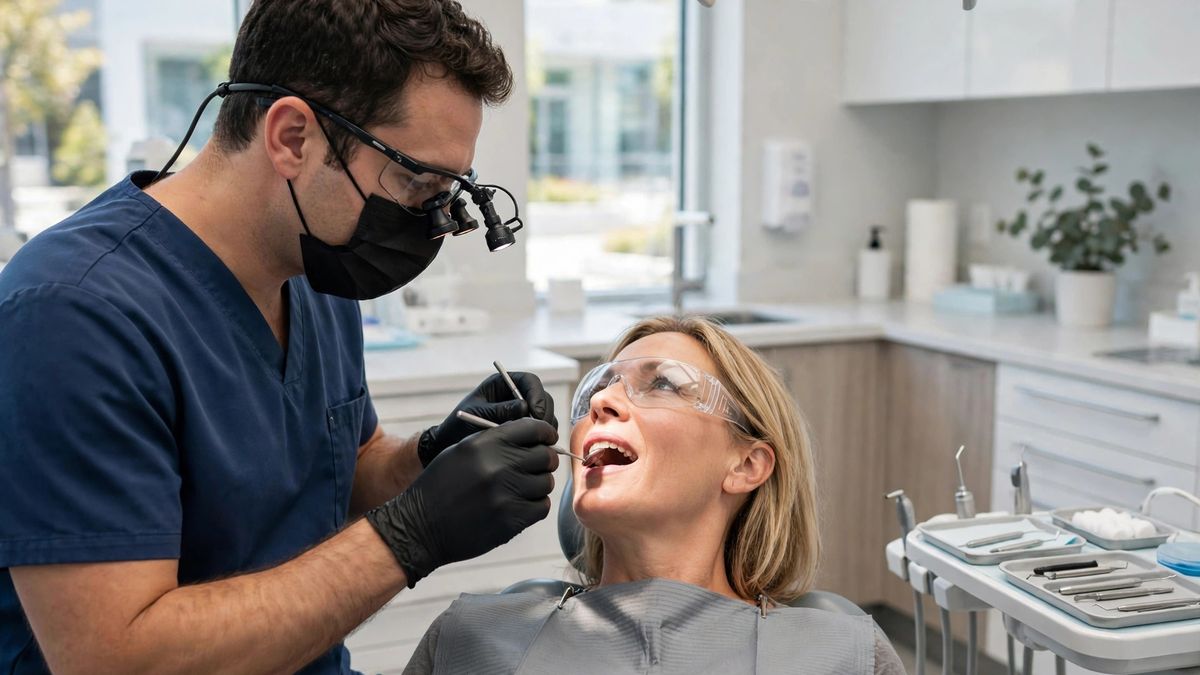
- Dental check-ups, cleanings, fillings, crowns, and root canals
- Orthodontia (braces) — for you or your children
- Dentures
- Eye exams, prescription glasses, and contact lenses
- LASIK and other corrective eye surgery
- Contact lens solution
Over-the-counter items (no prescription needed since 2020)
Since the CARES Act of 2020, you no longer need a prescription for OTC medicines. Eligible items include:
- Pain relievers, cold and flu medicines, allergy medicines
- First aid supplies and bandages
- Sunscreen (SPF 15 or higher)
- Menstrual products (pads, tampons, liners)
- Hand sanitiser (with at least 60% alcohol)
- Reading glasses
Insurance premiums that qualify
HSA funds can pay for certain premiums tax-free:
- COBRA continuation premiums
- Medicare premiums (Parts A, B, and D, and Medicare Advantage)
- Long-term care insurance premiums (up to age-based IRS limits)
- Health insurance premiums while you are receiving federal or state unemployment benefits
Regular health insurance premiums (while employed) do NOT qualify — nor do Medigap (Medicare supplement) premiums.

What is NOT eligible
- Cosmetic surgery and procedures done only to improve appearance
- Teeth whitening
- Gym memberships and fitness classes (unless prescribed to treat a specific condition)
- General health foods, vitamins, and supplements (unless prescribed for a specific condition)
- Hair transplants and cosmetic dentistry
- Insurance premiums other than the ones listed above
Spending on ineligible items before age 65 triggers income tax plus a 20% penalty. After 65, non-medical withdrawals are taxed as income but carry no penalty.
For more on the rules, see IRS Publication 969.
How to keep track
- Keep every receipt — digital copies are fine. You may need them years later if you reimburse yourself retroactively.
- Use your HSA debit card for direct payment when possible — it creates an automatic record.
- Check before you spend on anything unusual — the IRS list is detailed, and the line between eligible and ineligible is not always obvious.
- If you are unsure, IRS Publication 502 is the definitive reference.
If you are still deciding between an HSA and an FSA, read our HSA vs FSA comparison.
Frequently asked questions
Can I use my HSA for dental expenses?
Yes — dental check-ups, cleanings, fillings, crowns, root canals, orthodontia, and dentures are all HSA-eligible.
Can I use my HSA for over-the-counter medicines?
Yes — since the CARES Act of 2020, OTC medicines no longer require a prescription to be HSA-eligible. Sunscreen (SPF 15+) and menstrual products also qualify.
Can I use my HSA to pay insurance premiums?
Only certain premiums: COBRA, Medicare (Parts A, B, D, and Medicare Advantage), long-term care insurance (up to limits), and premiums while receiving unemployment benefits. Regular health premiums while employed do not qualify.