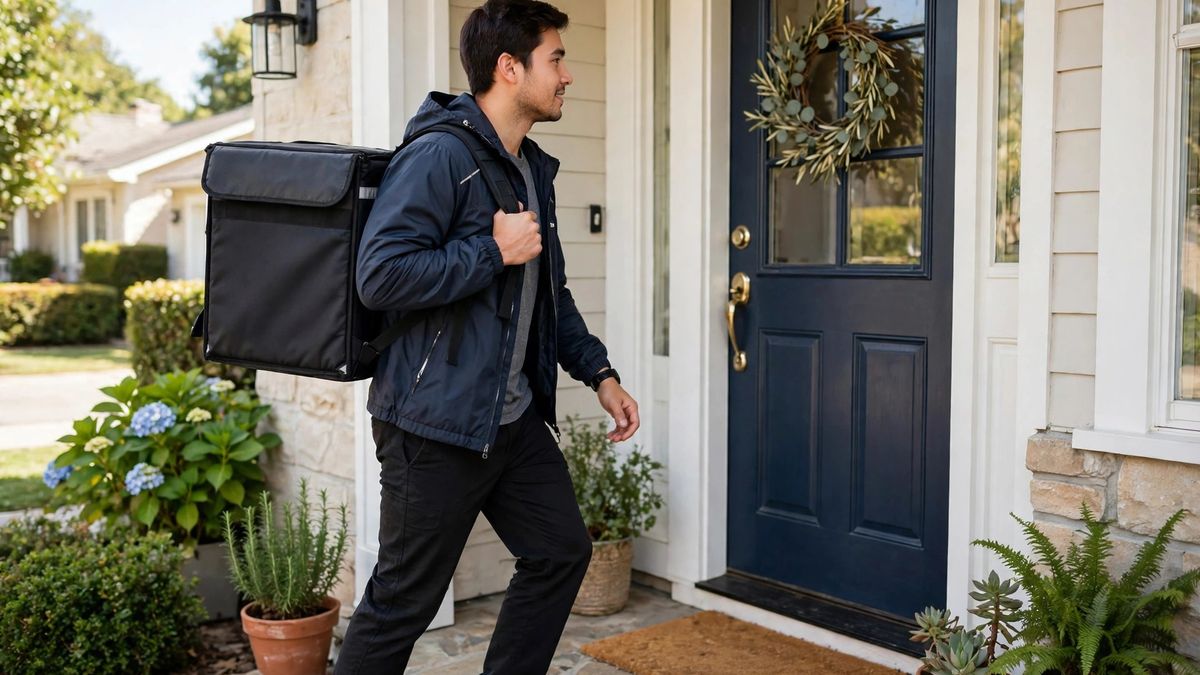
Uber drivers, DoorDash couriers, Instacart shoppers, TaskRabbit workers — millions of Americans now earn through gig platforms, and almost none of them get health insurance from the platform. You are classified as an independent contractor, which means health cover is entirely your responsibility.
This guide explains what gig workers can actually do about health insurance in 2026 — including the subsidies most drivers never check, and what the platforms do and do not cover when you are on the road. Gig workers are independent contractors — see our guides to self-employed health insurance and independent contractor health insurance for the wider picture.
Why gig workers are usually uninsured
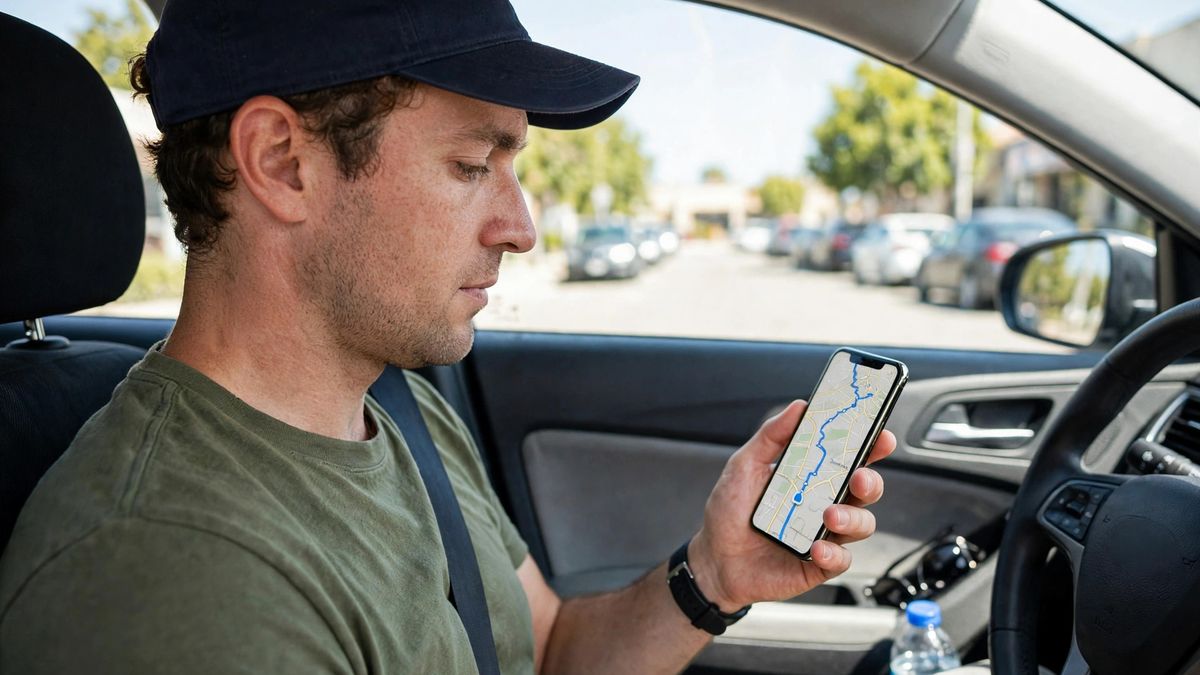
Gig work pays by the trip, the delivery, or the task. Income varies week to week, there is no HR department, and the apps do not offer health plans to drivers. Surveys consistently find gig workers are far more likely to be uninsured than traditional employees. The irony is that gig workers face above-average risk: hours on the road, late-night driving, lifting and carrying, and no sick pay if an injury keeps you offline.
The Marketplace: your main route
The ACA Marketplace is where most gig workers should start. Plans cannot deny you for pre-existing conditions, and premium tax credits are based on your NET income — your gig earnings minus expenses like mileage, fuel, phone, and vehicle costs. Many drivers are surprised at how low their net income is once expenses are counted, and how large their subsidy is as a result.
A driver grossing $45,000 a year might have $15,000 in deductible expenses, leaving net income near $30,000 — which can qualify for a substantial subsidy and a Silver plan for well under $100 a month. Always get a quote before assuming you cannot afford cover.
Open enrollment for 2027 coverage runs 1 November 2026 to 15 January 2027 in most states; enrol by 15 December 2026 for a 1 January start.
Medicaid: check before you dismiss it
If your net income is low enough, you may qualify for Medicaid — free or nearly free cover, available year-round. In expansion states, a single adult earning up to about 138% of the federal poverty level qualifies. Part-time gig workers and drivers in a slow period often qualify without realising it.
What the platforms do and do not cover
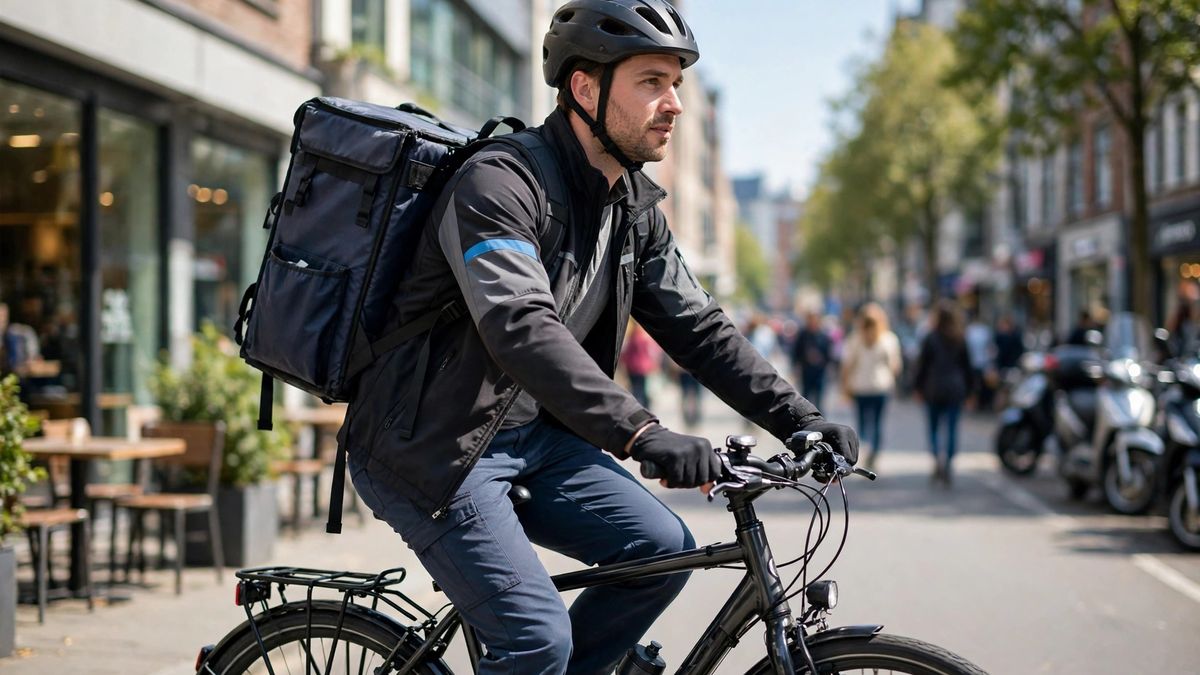
This is the part most drivers misunderstand. Uber, Lyft, DoorDash and similar platforms carry occupational accident insurance that applies while you are on a trip or delivery — it can help with medical costs if you are injured in an accident during an active trip. But it is NOT health insurance: it does not cover illness, check-ups, prescriptions, or anything that happens off the app. Some platforms also offer limited injury protection or partner discounts on health products. Treat platform cover as a safety net for on-trip accidents, not as your health plan.
Estimating income when it changes every week

Gig income is unpredictable, and the Marketplace is built to handle that. Estimate your annual net income as best you can. If you earn more than estimated, you repay part of the subsidy at tax time; earn less, and you get extra credit. Update your estimate in your Marketplace account every few months, especially after a busy holiday season or a slow stretch. Keep a simple mileage and expense log — it helps both your subsidy estimate and your tax return.
The tax deduction
Gig workers are self-employed for tax purposes, which means health insurance premiums are generally deductible as an adjustment to income — up to your net business profit, no itemising needed. Keep your premium statements alongside your mileage log.
Your gig worker checklist
- Add up your net income: gig earnings minus mileage, fuel, phone, and other business expenses.
- Get a Marketplace quote and check your subsidy.
- Check Medicaid eligibility if your income is low.
- Confirm your doctors and prescriptions are in-network.
- Enrol before the 15 December deadline.
- Keep a mileage and expense log — it pays twice, at subsidy time and at tax time.
- Remember platform accident cover is not health insurance.
Frequently asked questions
Does Uber or DoorDash provide health insurance?
No — drivers are independent contractors, so the platforms do not provide health insurance. They carry accident cover for on-trip incidents only.
What is the cheapest health insurance for a gig worker?
Usually a subsidised Marketplace plan — Bronze or Silver depending on how much care you use — or Medicaid if your net income is low enough.
Can gig workers deduct health insurance?
Yes — as self-employed workers, gig drivers can generally deduct health insurance premiums as an adjustment to income, up to their net business profit.
Related guides
More in this series: Self-Employed Insurance: Health, Liability & Income Protection (2026) and 1099 Health Insurance: How to Get Covered as a 1099 Worker.