

Adding a teenager to your car insurance is one of the biggest premium shocks a family faces. Cheap car insurance for teens exists, but it takes work to find — because insurers price teens as the highest-risk drivers on the road. The good news is that parents have real levers to pull: the right discounts, the right car, and the right policy structure can cut hundreds of dollars a year off the bill.
In this guide, we explain why teen cover costs so much, which insurers usually quote lowest for teens, and the discounts and habits that genuinely bring the price down in 2026.
If your teen is just starting out, our guide to car insurance for new drivers explains the basics.

Why teen car insurance costs so much
Teenagers crash more than any other age group. According to the Insurance Information Institute, drivers aged 16 to 19 have a fatal crash rate almost three times higher than drivers aged 20 and older, per mile driven. As a result, insurers charge teens the highest premiums of any age band.
For example, adding a 16-year-old to a parent’s policy can roughly double the family’s premium. A teen on their own policy pays even more, because a standalone policy has no multi-car discount and no experienced driver to balance the risk. That is why the first rule of cheap car insurance for teens is simple: keep your teen on your policy for as long as possible.
The NHTSA also publishes teen-driving safety guidance for parents.
Which insurers are usually cheapest for teens?
Prices vary by state, car, and driving record, so there is no single cheapest insurer for every teen. However, several large insurers consistently quote competitive rates for young drivers. State Farm, GEICO, and Progressive often appear among the lowest for teens, and USAA is usually the cheapest option of all for military families. In addition, regional insurers in some states beat the national brands.
The only way to know your cheapest option is to compare quotes. Get at least three quotes — ideally five — with identical cover levels, and re-quote every year. Your teen’s rate should fall as they gain experience and a clean record, but only if you shop around; insurers rarely volunteer a lower price.
Discounts that actually bring the price down
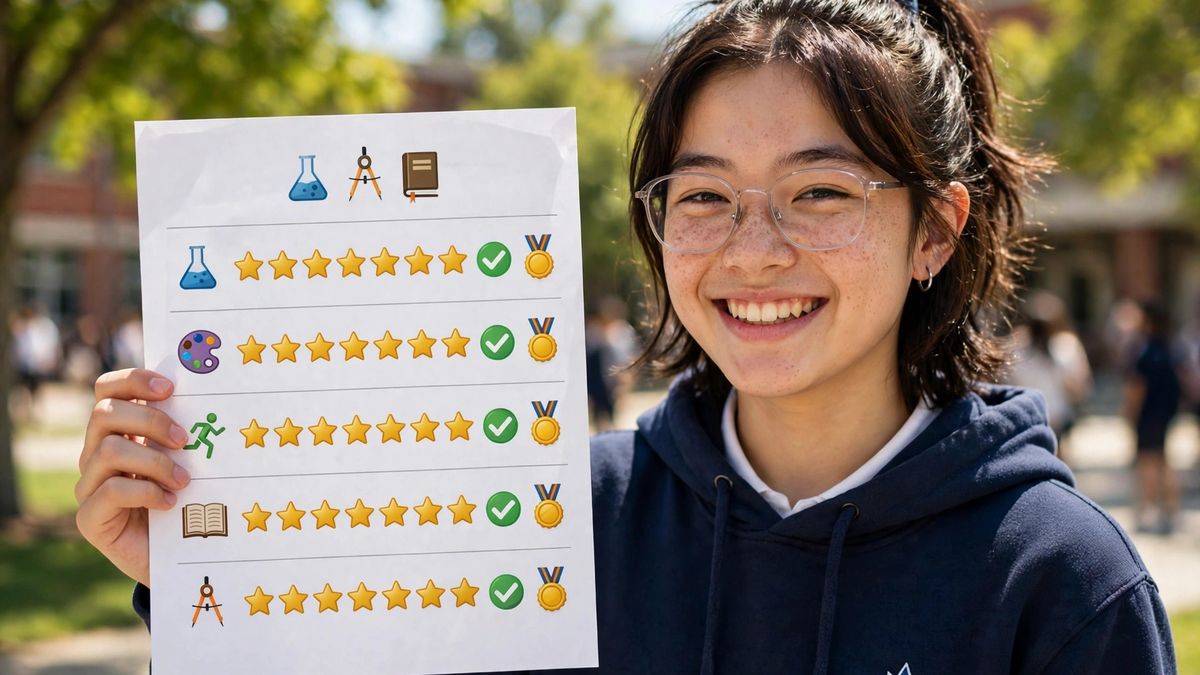
Discounts are where the real savings live. First, the good student discount: most insurers cut 10 to 25 percent for teens who keep a B average or better. It is the single biggest teen discount, and it costs nothing but good grades.
Second, driver training discounts: completing an approved driver’s education or defensive driving course can earn another 5 to 15 percent. Third, the distant student discount: if your teen goes to college more than 100 miles from home without a car, many insurers reduce the premium sharply while they are away.
Fourth, telematics or usage-based insurance: a small device or phone app tracks driving habits, and safe driving earns discounts of up to 30 percent with some insurers. For a careful teen, this is one of the fastest ways to prove they are a lower risk than their age suggests. Finally, bundling your auto policy with home or renters insurance usually saves another 10 to 20 percent across both policies.
For more ideas, read our guide on how to lower your insurance premiums.
The car your teen drives matters as much as the insurer
Insurers price the car as well as the driver. A safe, older sedan with strong crash-test ratings costs far less to insure than a sports car or a new SUV. For example, a five-year-old Honda Civic or Toyota Corolla is typically much cheaper to insure for a teen than a new Mustang or a large pickup.
In addition, think carefully about full coverage on an older car. If the car is worth less than about ten times the annual collision and comprehensive premium, dropping those coverages and keeping liability only can make sense. On the other hand, if your teen drives a newer car — or a car with a loan — full coverage is usually required by the lender.
Habits that keep teen premiums falling
Cheap car insurance for teens is not a one-time win; it is a habit. Keep your teen’s record clean — one speeding ticket can raise a teen’s premium by 20 percent or more for years. Consider a higher deductible: raising it from $500 to $1,000 typically cuts collision and comprehensive premiums by 15 to 30 percent, as long as you can afford the deductible after a crash.
Finally, set expectations early. Teens who understand that a ticket or an accident raises the family bill tend to drive more carefully. Some families even split the insurance cost with their teen, which turns safe driving into a personal financial interest.

Frequently asked questions
What is the cheapest way to insure a teenage driver?
Add your teen to your own policy, claim every discount (good student, driver training, telematics), choose a safe older car, and compare at least three quotes. A standalone policy for a teen is almost always far more expensive.
How much does car insurance for a teen cost in 2026?
It varies widely by state and cover level. Adding a 16-year-old to a parent’s policy often adds $2,000 to $4,000 a year for full coverage, while a teen’s own policy can cost far more. Liability-only cover is much cheaper but offers less protection.
At what age does teen car insurance get cheaper?
Rates usually start to fall at 18 and drop more noticeably at 21 and 25, provided the driver keeps a clean record. The biggest single drop often comes at 25, when insurers move drivers into the lower-risk adult band.
Does a good student discount really help?
Yes. Most major insurers offer 10 to 25 percent off for teens with a B average or better, and it is one of the easiest discounts to keep. Ask your insurer what proof they need — usually a report card or transcript.
See our guide on how much car insurance costs for a 16-year-old for a detailed breakdown by state and coverage.